If you have spent time scrolling lip filler before and after photos, you have seen a wide range of outcomes. Plush cupid’s bows, softly defined borders, subtle hydration, and sometimes, swollen duck lips that look nothing like the final result two weeks later. As a clinician, I find most confusion comes from that gap between immediate swelling and the settled shape. You should know exactly what to expect, what is routine, and what deserves a same day call to your lip filler specialist.
What lip fillers can and cannot do
Modern lip augmentation relies mostly on hyaluronic acid fillers. These products bind water, add structure, and can create or restore definition. The best lip filler for you depends on your goals: a firmer gel supports crisp borders and symmetry, while a softer gel gives hydration and subtle plumping. Lip enhancement is not one size fits all, and good providers use different fillers within the same appointment, one for the vermilion border and another for the body of the lip.
Fillers can:
- enhance volume in thin lips refine shape and Cupid’s bow definition correct mild asymmetries soften lipstick lines that creep into the upper lip
Fillers cannot fix everything. Deep perioral wrinkles from sun damage or long-term smoking usually need a combination of treatments. Skin quality around the mouth, dental structure, and muscle pull affect results. A lip flip with neuromodulator changes muscle balance but does not add volume, so lip filler vs lip flip is a real choice based on your anatomy and goals. Often the answer is a tailored blend, not one or the other.
The first 72 hours: what is normal
Right after lip filler injections, your lips will look bigger than planned. That early look includes water-binding from the hyaluronic gel, microtrauma from the needle or cannula, and occasionally a small bruise. I warn patients to expect the 30 percent rule. Day zero can look about a third larger than the two week result. If your goal is subtle lip filler and you leave the clinic thinking it seems borderline too full, that is often perfect by day 10.
Common early sensations include tightness when smiling, a lumpy or beaded feel you can detect with the tongue, and a rubbery firmness. All of that softens. Small lumps are often swelling around injection https://www.google.com/maps/d/u/0/embed?mid=1gybgi-8HLoXkPVVPNvhCwRF1-bsDx5A&ehbc=2E312F&noprof=1 sites or the filler warming to body temperature. Gentle massage is sometimes recommended depending on the product used and your provider’s technique. Do not massage unless directed, since you can shift carefully placed product.
Here is a realistic timeline I share with lip injection patients:
- Hours 0 to 12: Peak swelling. The upper lip often looks larger than the lower due to vascular sensitivity. Icing in short intervals helps. Day 1 to 2: Bruising declares itself. Swelling can drift, especially at the corners where filler can hold more water. Sleeping slightly elevated reduces morning puffiness. Day 3 to 4: The shape starts to emerge. Tenderness declines. You may still see small asymmetries, which are usually fluid shifts. Day 5 to 7: Most swelling resolves. Makeup hides residual bruises. By the end of week one, you should have a good preview. Day 10 to 14: Final result for most hyaluronic lip injections. Any fine tuning can be planned after this point.
The lip filler healing time varies with dose, technique, and individual factors. People prone to swelling or who took a long flight the next day can need a few extra days.
What is not normal and needs a prompt call
Complications are uncommon with professional lip filler services, but they do happen. I tell patients to stay alert to blood flow issues and infection. Neither can wait.
Call your provider urgently if you notice:
- spreading, blotchy blanching or dusky color that does not improve with warmth sharp, worsening pain beyond expected tenderness, especially paired with cold skin clusters of small blisters on or around the lips, consistent with a cold sore outbreak rapidly increasing swelling on one side only, or swelling that distorts the philtrum fever, spreading redness, or drainage
Vascular occlusion is the rare but serious event everyone worries about. Early recognition is key. With the right training and access to hyaluronidase, a lip filler specialist can dissolve product and restore flow. Herpes simplex reactivation happens in a small slice of patients, often within 48 hours. If you are prone to cold sores, ask about preventive antivirals before your lip filler appointment.
Reading before and after photos with a critical eye
A gallery tells you a lot if you know what to look for. Examine consistency. Do you see crisp borders on multiple faces, or are results hit and miss. Look for symmetry in repose and on a gentle smile. If all the lips look overprojected from the side, you may be looking at a clinic that favors a single technique rather than tailoring.
Time stamps matter. A true after photo is taken at least one to two weeks later. The swollen day zero after has a telltale shine and stretched skin. Also, note camera angles. A low camera angle makes lips look fuller. Lighting flattens fine lines and can be misleading. Reputable lip injection clinics present standardized lighting and positioning.
Technique and product choices that shape outcomes
The lip is not a single compartment. We treat the vermilion border, body of the lip, philtral columns, and oral commissures differently. Gels vary in elasticity and lift. A product that looks beautiful in a young hydrated lip can look heavy in a mature mouth where skin thins.
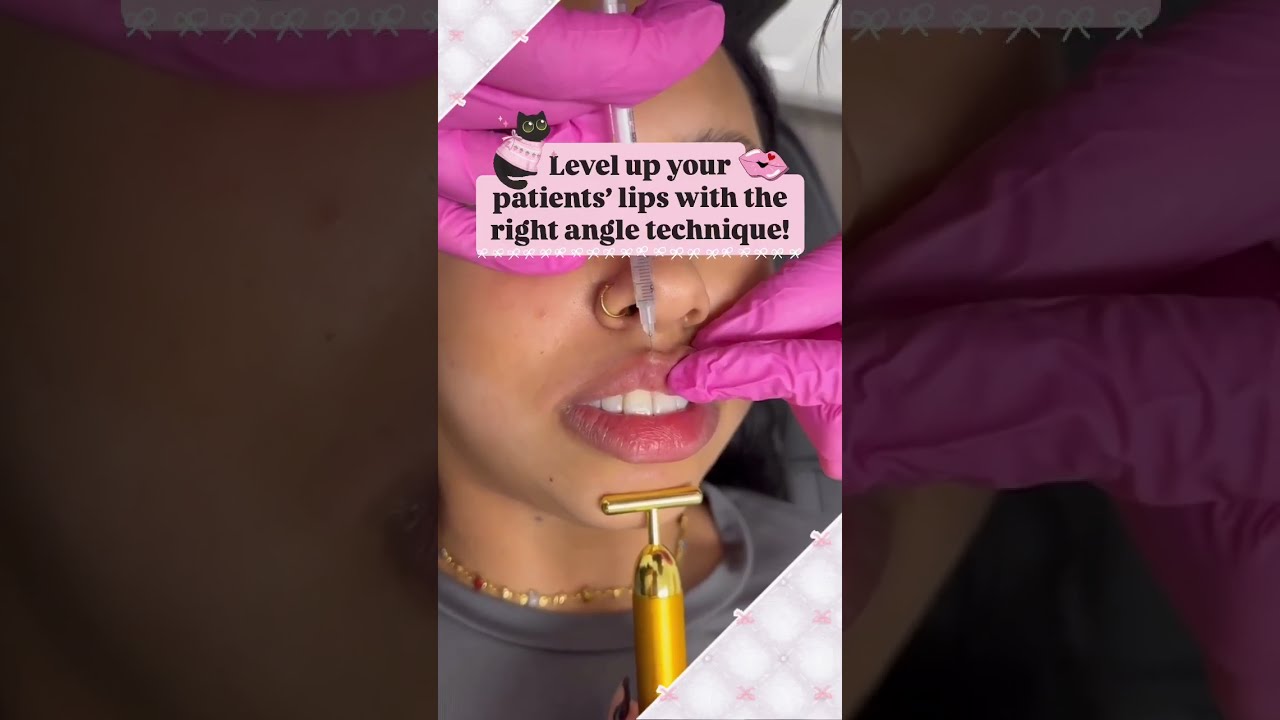
In experienced hands, microthreads along the border can restore that youthful line and better lipstick hold, while tiny boluses placed deep create lift without bulk. A cannula reduces bruising in many patients, though a needle may be needed for precision at the Cupid’s bow. Hybrid approaches are common. If you are set on safe lip filler with no downtime, ask how your provider minimizes trauma, but accept that a zero bruise guarantee is not realistic.
Patients often come in asking for a specific brand because it is trending on social media. The best lip injections are less about the label and more about product selection fit to tissue quality. I routinely carry a few hyaluronic acid families so I can match firmness, spread, and longevity to the job.
How much lip filler is needed for a first treatment
A common starting dose for natural lip filler is 0.5 to 1.0 mL. Half a syringe freshens shape and hydration without a dramatic size change. A full syringe usually produces a noticeable, balanced enhancement. More than 1 mL in the first sitting risks overprotection and stiffness, especially in a small canvas. Building gradually gives the vermilion time to stretch, keeps lip filler results smoother, and reduces the chance of migration above the border.
If you want a bigger change, a staged plan works better. I space sessions 4 to 8 weeks apart, adding 0.5 to 1.0 mL as needed. This layered approach yields a more refined lip dermal filler result than trying to achieve the full goal in one day.
Cost, longevity, and maintenance
Lip filler cost varies by region, product, and provider experience. In most U.S. Cities, you will see a lip filler price range of 500 to 1,000 dollars per syringe, sometimes higher in top rated clinics. Beware of cheap lip filler deals that sound too good to be true. Unlabeled products and diluted syringes do circulate. Your face is not where to bargain hunt.
Hyaluronic lip injections typically last 6 to 12 months. Movement, metabolism, and product selection drive the curve. Softer gels trade longevity for a silkier feel. If you train hard, have a fast metabolism, or talk for a living, expect the shorter end of the range. Many patients do a lip filler touch up at 6 to 9 months to keep shape and hydration without waiting for a full reset. Plan for maintenance in your budget. A steady approach also reduces the urge to overfill.
What swelling patterns tell us
Swelling happens in predictable ways. The upper lip often looks more inflated on day one because it has a richer blood supply and thinner skin. Corners puff as fluid tracks to the lowest points overnight. If you sleep on your face, the dependent side can look bigger in the morning. This does not mean product migrated. True migration develops later and shows up as a shelf or puff above the border, often in patients with years of repeated overfilling or very superficial placement.
Bruises also follow patterns. A spot bruise at an entry point is common. A sheetlike bruise crossing the upper lip can happen when a vein was nicked. Arnica can help color clear faster for some people, and gentle ice for 10 minutes at a time in the first 24 hours reduces both swelling and tenderness.
Aftercare that actually matters
Most aftercare advice is simple, but consistency helps. Avoid vigorous exercise, saunas, and hot yoga for 24 hours. Skip alcohol the first night, since it dilates vessels and can worsen bruising. Do not apply firm pressure or use suction devices. Avoid dental appointments for 1 to 2 weeks to reduce bacterial risk and unnecessary lip stretching. Keep lips clean, and use a bland ointment if they feel dry or tight. A high quality SPF balm protects the area as it settles.
If your lip filler provider suggests gentle shaping massage for a specific spot, follow those directions exactly. Otherwise, hands off. The urge to keep touching is universal, but constant fiddling can worsen swelling.
The difference between subtle and statement results
Words like natural or subtle lip filler mean different things to different people. During a lip filler consultation, I ask for three reference photos that reflect your taste. One should be a modest change, one medium, and one bolder. We circle features you like, such as a well defined Cupid’s bow or more show in the upper lip on smile. I also show side profile angles, since projection matters as much as front view width.
A truly balanced result respects the lower to upper lip ratio, typically about 1.6 to 1 in many faces. Some ethnicities carry different ideals, and we tailor. If your philtrum is short and your upper teeth already show a lot at rest, a lip flip might overpower your smile. If your lower facial third is small, adding too much projection can throw off proportions. Good providers say no sometimes, or suggest a staged approach.
Who should pause or avoid treatment
Active cold sores are a pause. Skin infections around the mouth are a no until treated. If you are pregnant or breastfeeding, most ethical providers defer elective dermal filler lips until later. People with significant allergies or a history of anaphylaxis require caution and sometimes referral. If you have had permanent fillers placed in the lips in the past, especially older materials that do not dissolve, discuss risks carefully. Combining permanent products with hyaluronic acid increases unpredictability.
If you have a major event or photoshoot, plan your lip plumping injections at least two to three weeks ahead. Even a simple case can throw a curveball bruise. Rushing invites stress you do not need.
When correction or reversal makes sense
Not every outcome lands perfectly on the first try. Minor asymmetries often settle. If not, a tiny touch up, 0.1 to 0.2 mL, can even the shape. If product sits too superficially or forms a persistent bead, strategic hyaluronidase can soften or remove it. Dissolving lip filler is also the path when migration creates that shelf above the lip line. A clean slate sometimes gives the best long term aesthetic.
Reversal is not failure. In my practice, patients appreciate the control hyaluronic fillers give. You are not locked in for years, and careful correction preserves tissue health.
Lip filler vs lip flip vs other options
Choosing lip filler vs lip flip comes down to whether you need volume or just want the pink part to roll out a touch. A lip flip uses neuromodulator at the border to relax the orbicularis oris muscle. It can make the upper lip look slightly larger when smiling, but it does not add structure or hydration. It wears off in about 8 to 12 weeks, and speech can feel different for a few days.
If lines around the lips, not the lips themselves, are the issue, consider skin focused treatments. Microneedling, light resurfacing, or a diluted hyaluronic acid skin booster can improve texture. For pronounced perioral lines, you may need a combination of filler, laser, and habit changes such as quitting smoking.
Choosing a provider wisely
The right hands matter more than the right hashtag. Look for a lip filler doctor or experienced injector with a medical foundation. Ask how they handle complications, if they stock hyaluronidase, and what their typical touch up policy is. A good lip filler clinic takes a full history, checks for cold sore risk, and explains pros and cons. Avoid places that promise same day lip filler for every walk in, no questions, and heavy discounts that push you to buy packages on the spot.
Consultation should feel collaborative. You should leave knowing how much lip filler is planned, which product family, expected lip filler recovery, and what lip filler aftercare they recommend. If you need lip filler treatment near me searches, read long form reviews that mention communication and follow up, not just five star emojis.
The quiet value of restraint
The most common regret I hear is not that patients did too little, it is that they went too fast somewhere else. The lips are expressive tissue. Overfilling blunts movement, and the camera sees it. If you start mild, you can always add. The reverse is harder. Pictures taken at consistent angles across months help you and your provider steer. When you see a bit more hydration but not an overblown change, you know you are in the right lane.
A brief case example
A 32 year old woman came in with thin lips and a history of biting her lower lip when stressed. She wanted definition and a modest size increase, but she feared the swollen day one look because of a client meeting two days later. We agreed on 0.7 mL total, split between a firmer gel for the border and a softer gel for the body. We scheduled on a Thursday evening. Her peak swelling was overnight, and by Saturday morning, she texted a photo with a faint bruise hidden under tinted balm. At her two week check, we added 0.2 mL to even the right lateral upper lip. Six months later, she returned for a small refresh. She never felt overdone, and her lip plumping results matched her reference photos.
What to expect at the appointment
A proper lip filler appointment takes 30 to 60 minutes. We review your medical history, take standardized photos, and mark landmarks. Numbing varies. Some clinics use topical anesthetic for 15 to 25 minutes, others rely on the lidocaine within the filler. Dental blocks are an option for very sensitive patients but can distort shape temporarily, so we use them selectively.
During the lip filler procedure, you will feel pressure and brief stings. We work in tiny increments, sitting you up to check symmetry. Post treatment, you ice in short bursts. You get written aftercare and a direct line for questions. We book a follow up in two weeks before you leave. That small step changes outcomes, because fine tuning is easiest when planned.
Budgeting without compromising safety
Affordable lip filler is not always unsafe, but understand what affects price. Experienced injectors, high quality products, medical oversight, and thorough aftercare raise costs. Lip filler promotions can be legitimate, such as first time patient pricing or bundled lip filler packages during a clinic’s anniversary month. Ask which product is included, how many mL, and whether a touch up visit is part of the lip filler services. Transparency builds trust.
If you need to space treatments, tell your provider. A staged plan with clear milestones protects both your look and your wallet. Cheap lip filler with vague labeling and rushed technique risks complications that cost more to fix later.
A quick reference for the first week
Use this short checklist as you watch your lip filler results evolve:
- Day 0 to 2: Expect peak swelling, mild tenderness, and possible bruising. Short, gentle icing helps. Avoid workouts, alcohol, and heat. Day 3 to 4: Swelling shifts and starts to settle. Unevenness is common as fluid redistributes. Day 5 to 7: Shape looks close to final. Small lumps usually soften. Resume normal routines aside from dental work. Day 10 to 14: Final result for most. Plan any touch up with your lip filler provider now. Any day: If color turns blotchy white or dusky and pain worsens, call the clinic immediately.
When to call your provider without hesitation
Know the red flags. Quick action protects outcomes and safety:
- persistent blanching or a livedo pattern that spreads severe, escalating pain that feels out of proportion new blisters suggesting a cold sore outbreak fever, spreading redness, or drainage rapid one sided swelling that distorts nearby tissue
Final thoughts from the treatment chair
The best lip filler outcomes look like you on a well rested day. When expectations match biology, the journey from before to after feels predictable. Swelling is part of the process, not a sign that you went too big. A measured plan, clear communication, and an injector who knows when to stop are the real secret sauce. If you are still browsing lip injections near me and sorting through lip filler reviews, take your time. Meet a few providers. Ask about product choices, emergency plans, and follow up. The right team makes all the difference between a week of worry and a result you barely think about because it simply fits your face.